How do we design a navigation experience for an entirely new category of maritime mobility?

Project
Seaglider Navigation UI
Client

Regent Craft

Services

Brand Experience

Strategy

UI/UX

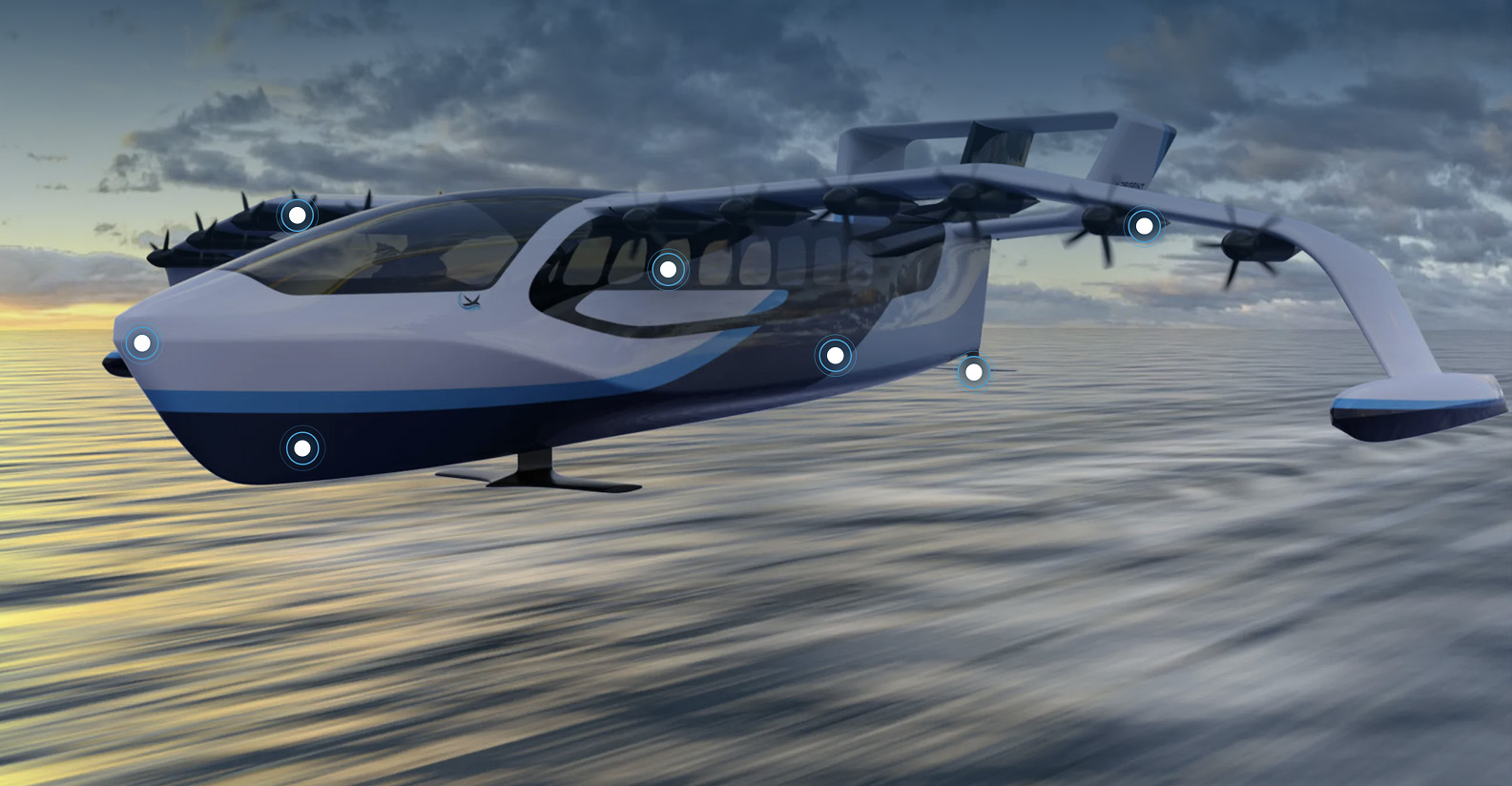
Regent is pioneering a new mode of transportation: the seaglider—a vehicle that operates as a boat, transitions to hydrofoil, and ultimately flies in ground effect above the water.

With no legacy interface models to follow, the challenge was to design a navigation UI that unified these three operational states into one seamless experience. The interface needed to clearly communicate mode transitions (hull, foil, flight) while maintaining aviation-grade clearity, pilot confidence, and real-time situational awareness.

This wasn't simply designing a cockpit display—it was defining the digital navigation experience for an entirely new category of travel.

Challenge

Regent is pioneering a new mode of transportation: the seaglider—a vehicle that operates as a boat, transitions to hydrofoil, and ultimately flies in ground effect above the water.

With no legacy interface models to follow, the challenge was to design a navigation UI that unified these three operational states into one seamless experience. The interface needed to clearly communicate mode transitions (hull, foil, flight) while maintaining aviation-grade clearity, pilot confidence, and real-time situational awareness.

This wasn't simply designing a cockpit display—it was defining the digital navigation experience for an entirely new category of travel.

Strategy

Working closely with Regent’s software engineering tream, OCTO approached the UI as both a product-defining system and a pilot-first experience.

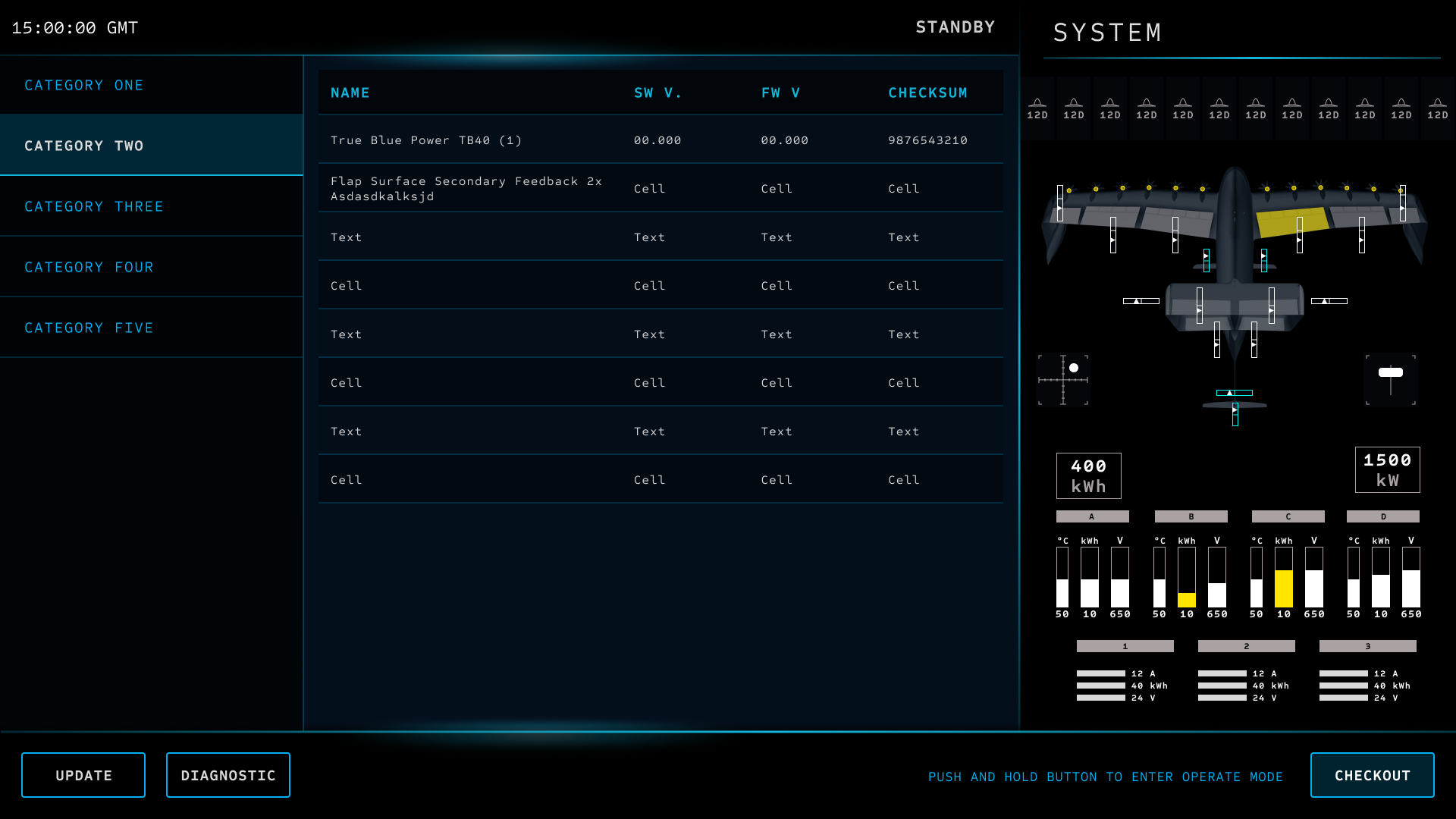
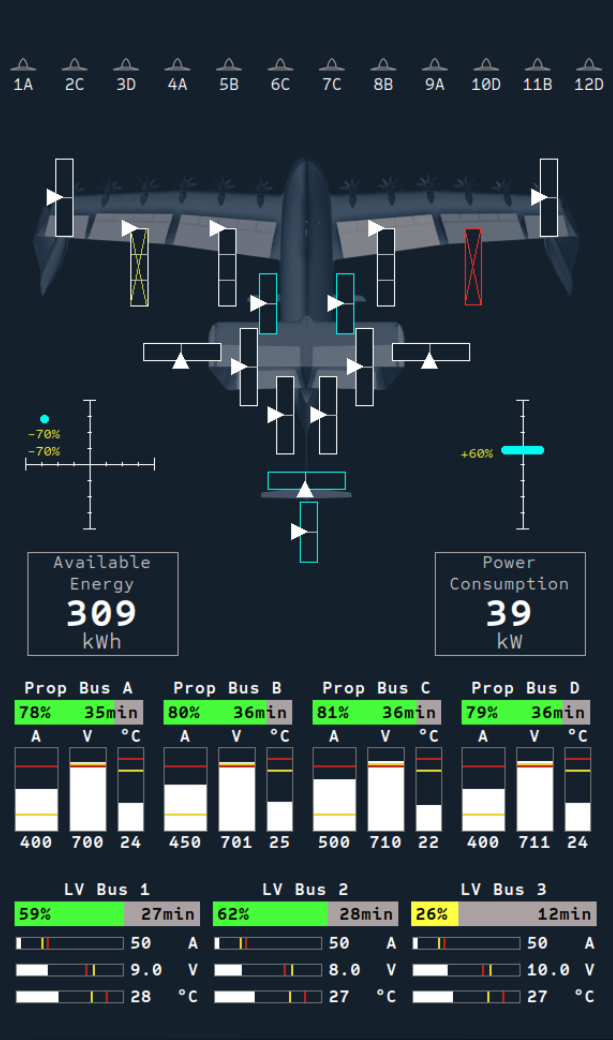
We developed a state-based interface architecture that dynamically adapts as the craft transitions between hull, foil, and flight. Mode-aware layouts prioritize the most critical information for each phase providing clear feedback on lift, altitude, speed, and water clearance while ensuring smooth transitions between operational states.

To support navigation across both air and maritime environments, we designed as streamlined information hierarchy that integrates aviation and maritime data into a cohesive system. The interface reduces visual noise while enabling rapid-glace readability for high-speed decision-making.

A confident, minimal visual language reinforces trust through clear system health indicators, intuitive alerts, and feedback mechanisms - balancing aviation precision with maritime familiarity.

The Impact

The Navigation UI became foundational to how the seaglider is understood by pilots, engineers, regulators, and investors.

The system established a clear operational model for a new vehicle category, reduced cognitive complexity across multi-environment navigation, and created a scalable interface framework for future seaglider variants.

By translating a revolutionary craft into a clear and trusted navigation experience, the UI helped define what it means to travel by seaglider.

No items found.
More Case Studies

Utilidata

How do we message industry changing technology?

Route Werks

What happens when OCTO spins out a business from scratch?

Question

Project
Project Name
Client

Name - Client

Services

Services Provided

Challenge without heading

Challenge

Challenge with Heading

Strategy

Strategy. rich text

Impact

Impact Rich text

Testimonial Text

Provider Name
Provider Profession
No items found.